
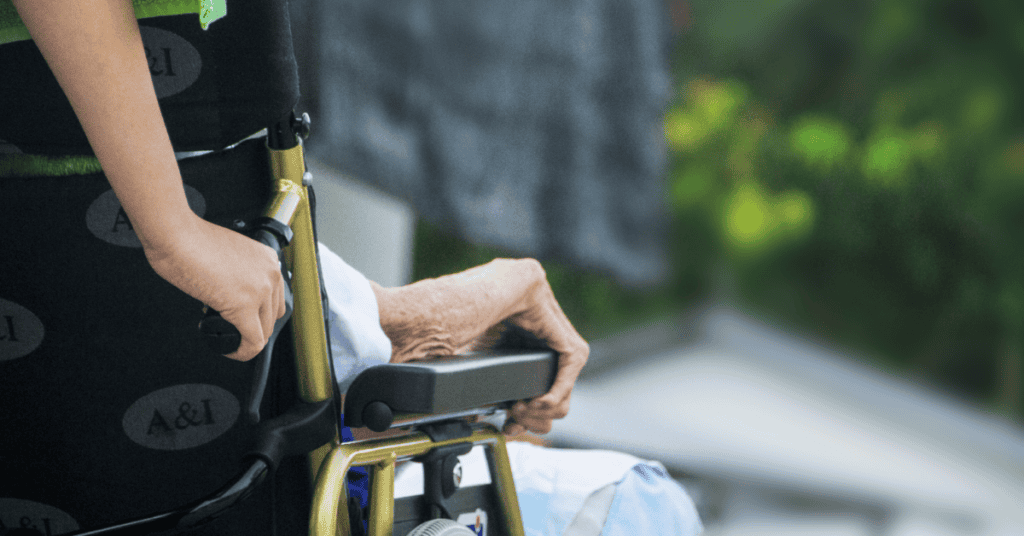
Caregiving is one of the most common and least acknowledged roles in the United States today.
More than 60 million Americans are currently providing unpaid care to a loved one who is aging, ill, disabled or living with cognitive or medical challenges. That’s nearly one in four adults. Yet despite how widespread caregiving is, many caregivers quietly carry an emotional weight that rarely is given a name: grief.
On National Caregiver Day, we often thank caregivers for their dedication and selflessness. What we talk about far less is the loss, isolation and limited freedom that caregiving can bring and the deep need caregivers have caring for themselves.
The Many Faces of Caregiving
Caregiving is not a single experience. It shows up in many forms, including:
- Family caregivers: Spouses, adult children, siblings or friends providing unpaid care are by far the largest group.
- Elder caregivers: Those supporting aging parents or relatives with daily living, chronic illness or cognitive decline.
- Caregivers of children with special needs or chronic illness, often navigating complex medical and educational systems.
- Sandwich-generation caregivers, simultaneously raising children or grandchildren while caring for aging parents.
- Professional caregivers, whose labor is paid but emotionally demanding and often undervalued.
Across these categories, one common thread remains: caregiving reshapes daily life in ways that are rarely reversible or predictable.
When Caregiving Includes Grief
Caregiver grief is not always tied to death.
It often shows up as anticipatory grief – mourning the changes that are happening in real time. It can look like:
- Grieving the gradual loss of who your loved one once was
- Grieving the life you imagined for both you and them
- Grieving your own freedom, spontaneity, privacy and rest
- Grieving the version of yourself that existed before caregiving became central
This grief is real, ongoing and frequently unrecognized – especially when the person you are caring for is still alive.
A Lived Reality: Caregiving in a Multi-Generational Home
For seven years, I cared for my aging mother in a multi-generational household – years that included the profound isolation of the pandemic.
Like many caregivers, my world quietly became smaller.
I couldn’t simply leave the house without planning, backup or support. Errands required coordination. Time alone required permission from circumstance. Even short breaks carried a mental load: Who will stay with her? What if something happens? How long can I be gone?
The lack of freedom affected us all.
My mother experienced her own losses including her independence, privacy and ease of movement. And I experienced mine: isolation, limited choice and the invisible tether that comes from knowing you are always “on,” even when no one else may see it.
Caregiving can be deeply loving and deeply confining at the same time. Holding both truths is not a failure – it is honesty.
Why Caregiver Self-Care Is Essential, Not Indulgent
Caregivers are at increased risk for burnout, depression, anxiety and physical health challenges. Yet many struggle to prioritize their own needs because:
- The needs of the person receiving care feel more urgent
- Support systems are limited or inconsistent
- There is guilt associated with wanting space, rest or relief
Self-care for caregivers is not about bubble baths or platitudes. It is about sustainability.
True caregiver self-care may look like:
- Naming the grief without minimizing it
- Accepting help without apologizing
- Setting boundaries that protect energy and health
- Seeking community where caregiving is understood
- Allowing yourself to matter alongside the person you care for
When caregivers are unsupported, everyone is impacted – including those needing and receiving the care.
On This National Caregiver Day
National Caregiver Day is an invitation to widen the conversation.
It’s a day to honor caregivers not only for what they do, but for what they carry and who they be. To recognize that grief can exist alongside love. And to affirm that caregivers deserve rest, recognition and relational support—not just a ‘thank you’.
If you are a caregiver reading this: your exhaustion makes sense. Your grief is valid. And your need for care does not diminish your devotion.
You are not meant to do this alone. There is a reason we say “it takes a village”…